 0
0
 0
0
Ticks are becoming active earlier in the year, and doctors in Burgenland warn that vaccination against tick‑borne encephalitis (FSME) is now more important than ever.
Early Tick Activity Raises Health Concerns in Burgenland
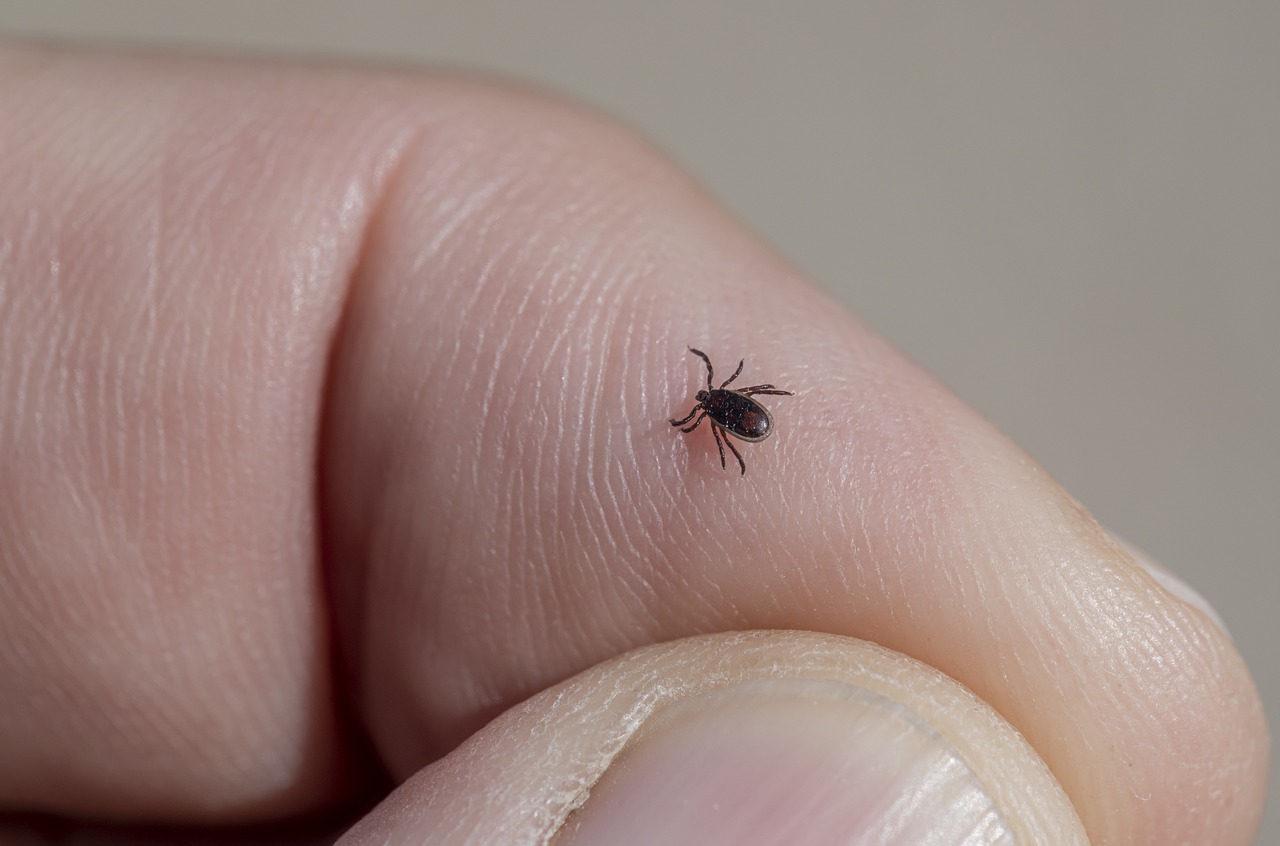
Climate change is accelerating tick activity across Austria, and Burgenland’s medical community is urging residents to take preventive measures as the season begins unusually early. A weekend homeowner in Rechnitz reported finding 15 ticks on her body after gardening, highlighting how active the parasites already are.
Local physicians confirm the trend. “The ticks are very early this year,” said Michael Schriefl, Vice President of the Burgenland Medical Association, noting that the region is a known FSME epidemic area, making vaccination essential.
Climate Change Fuels Earlier and Longer Tick Seasons
Rising temperatures allow ticks to become active from as low as 8°C, extending their season and increasing exposure risks. Experts across Austria and Europe have observed that mild winters and warmer springs are enabling ticks to spread into new habitats and remain active for longer periods.
Infection Risks: FSME, Lyme Disease, and More
Ticks in Austria can transmit up to ten different diseases, with FSME and Lyme disease (Borreliose) being the most common threats.
Key facts from health authorities:
- Around 20–30% of ticks carry Borrelia bacteria, which cause Lyme disease.
- Borrelia transmission typically requires 12–24 hours, so early removal significantly reduces risk.
- FSME, however, is transmitted immediately through saliva, meaning removal does not prevent infection. Vaccination is the only reliable protection.
Thanks to Austria’s high vaccination coverage, Burgenland recorded only one FSME case last year, according to local reports.
Doctors Warn: Many People Can No Longer Remove Ticks Properly
General practitioner Astrid Pfeifenberger from Oberwart notes a surprising trend:
“More and more people can’t remove a tick themselves. Some even just put a plaster over it.”
Medical guidance is clear:
- Remove ticks as quickly as possible using tweezers or a tick card.
- Do not use oil, glue, or nail polish—these can increase infection risk.
- If the head remains embedded, a doctor should remove it.
Tick Species in Austria — Including Exotic Newcomers
Austria is home to 18 native tick species, with the castor bean tick (Gemeiner Holzbock) being the most common.
In recent years, experts have also detected Hyalomma ticks, large species sometimes imported from warmer regions and capable of carrying dangerous pathogens.
Citizens Can Help Monitor Tick Populations
The Austrian Agency for Health and Food Safety (AGES) encourages the public to support species monitoring:
- Dead ticks can be fixed to paper with adhesive tape and mailed in a special hazardous‑material envelope available at post offices.
- Live ticks may be delivered in escape‑proof containers for identification.
Vaccination Remains the Best Protection
Health authorities across Austria and Europe stress that FSME vaccination is the most effective preventive measure.
With ticks already active from February onward, doctors recommend updating vaccinations before spending time outdoors.
- source:krone.at/picture: pixabay.com



This post has already been read 9639 times!